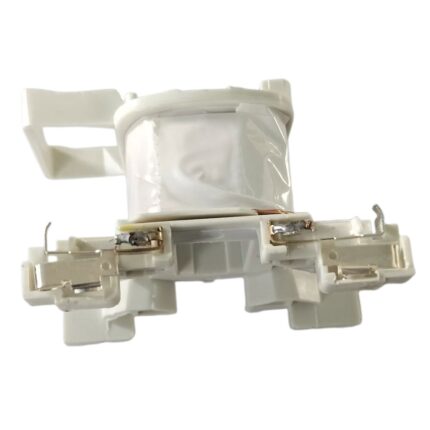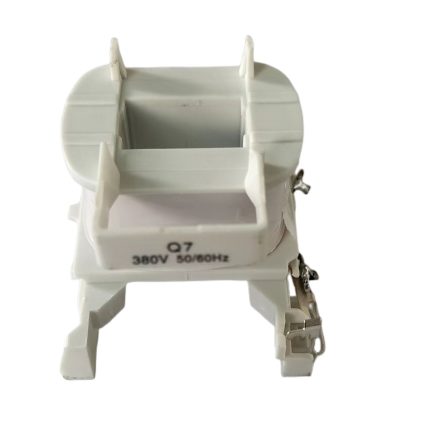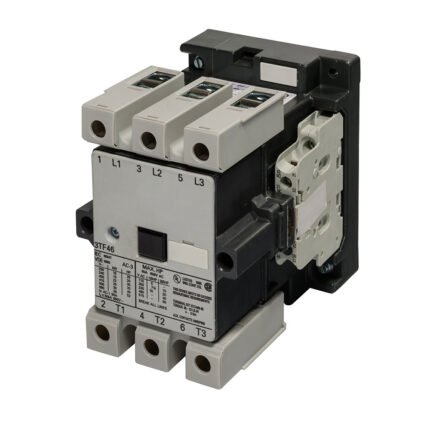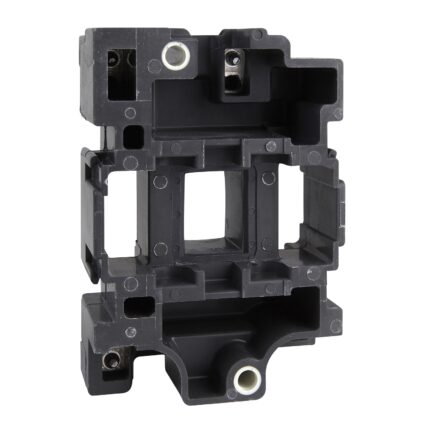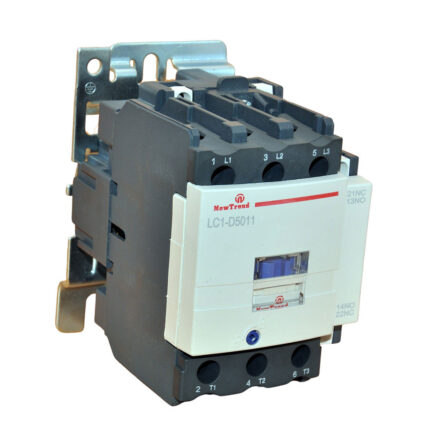




LC1F1250 LC1F1400 LC1F1700 LC1F2150 LC1F3150 Contactor 110V 220V 380V 440V 3POLE 1250A 1400A 1700A 2150A 2600A 3150A Contactor


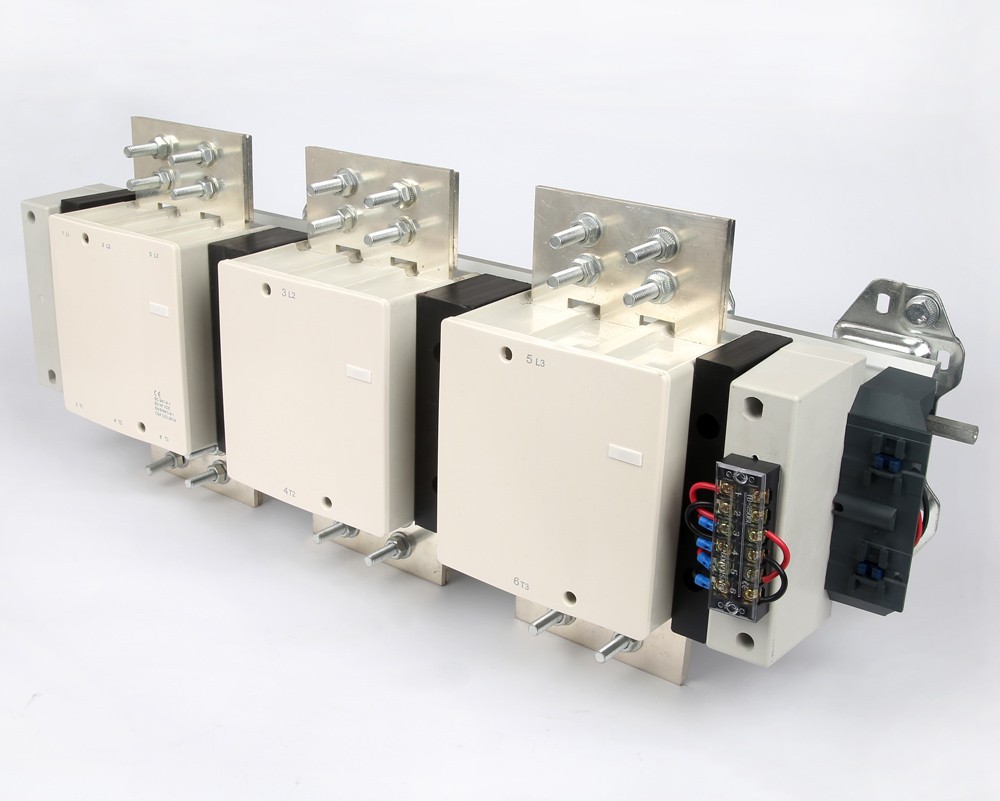

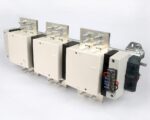

LC1F1250 LC1F1400 LC1F1700 LC1F2150 LC1F3150 Contactor 110V 220V 380V 440V 3POLE 1250A 1400A 1700A 2150A 2600A 3150A Contactor
| Weight | 2 kg |
|---|---|
| Dimensions | 25 × 25 × 25 cm |
| Number of Pole |
3 |
| Main Circuit Rating Voltage |
<1000V |
Download official engineering datasheets, certified test standards (IEC / UL / CE), wiring diagrams, and dimensional drawings for LC1-F High Current AC Contactor (1250A-3150A).
Pure engineering specifications, tripping curve parameters, and electrical selection guidance for panel builders and system designers.
AC-3 rating applies to standard squirrel-cage motor starting and stopping during normal run (starting current 5–7x In). For non-inductive or purely resistive heating loads, use the higher AC-1 rating. For severe inching, jogging, and plugging applications (AC-4 duty), derate the contactor or upsize by 1 to 2 frame sizes to prevent contact erosion.
Standard AC coils include 24V, 48V, 110V, 220V/230V, 380V at 50/60Hz. For DC control loops or PLC outputs, specify DC coils or electronic wide-range AC/DC coils (e.g. 100V–250V AC/DC) which feature built-in surge suppression, low holding power consumption, and immunity to voltage dips.
Select a thermal overload relay whose current setting range straddles the motor full-load current (FLA). Set the dial precisely to 1.0x motor nameplate FLA. For IEC 60947-4-1 Type 2 coordination, pair the contactor and relay with backed-up upstream fuses or fast-acting MCB/MCCB to prevent welding under fault conditions.
Units feature built-in 1NO or 1NC auxiliary contacts, expandable with top-mounted 2-pole or 4-pole auxiliary contact blocks (F4 / AX) and pneumatic timer delay blocks. For forward/reverse motor starters or star-delta starter assemblies, add side-mounted mechanical interlock units (MI) with electrical interlocking.
Standard ratings are calibrated for -5°C to +40°C. For ambient temperatures exceeding 55°C or altitudes above 2000m (where reduced air density diminishes heat dissipation and dielectric insulation), derate operational current by 2% per 100m above 2000m and verify insulation voltage limits per IEC standards.