



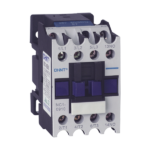
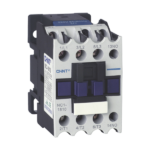

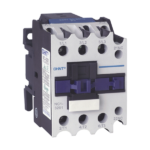
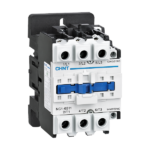

Product Overview
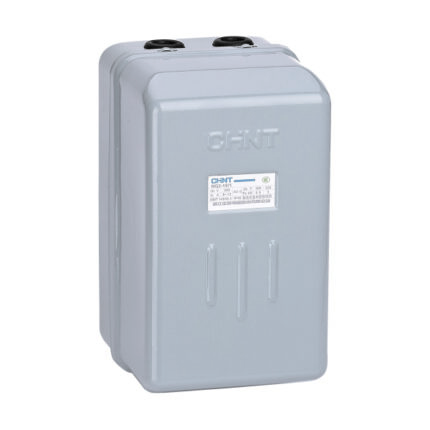
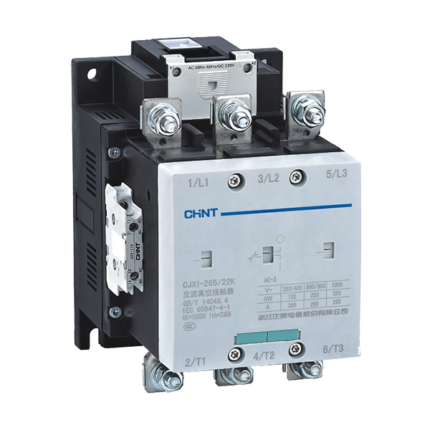
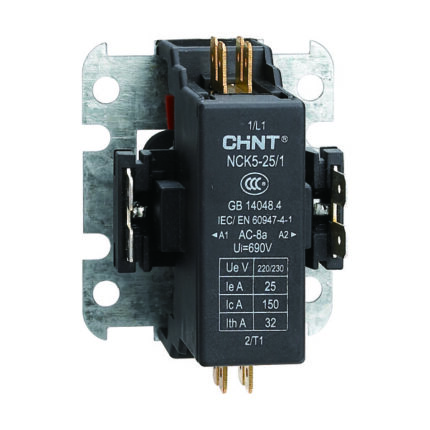
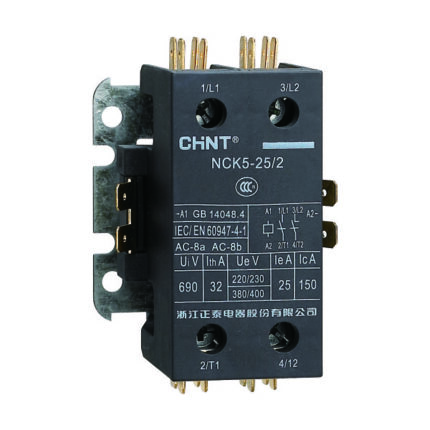
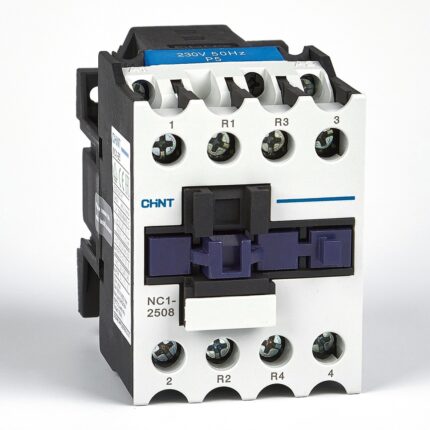
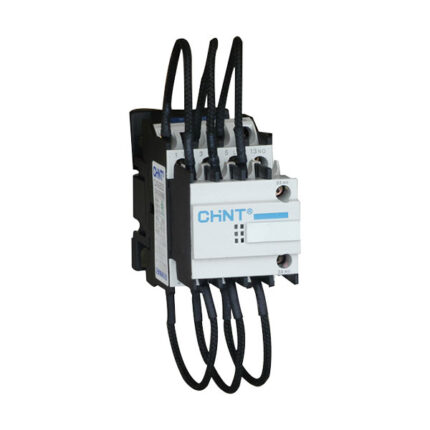
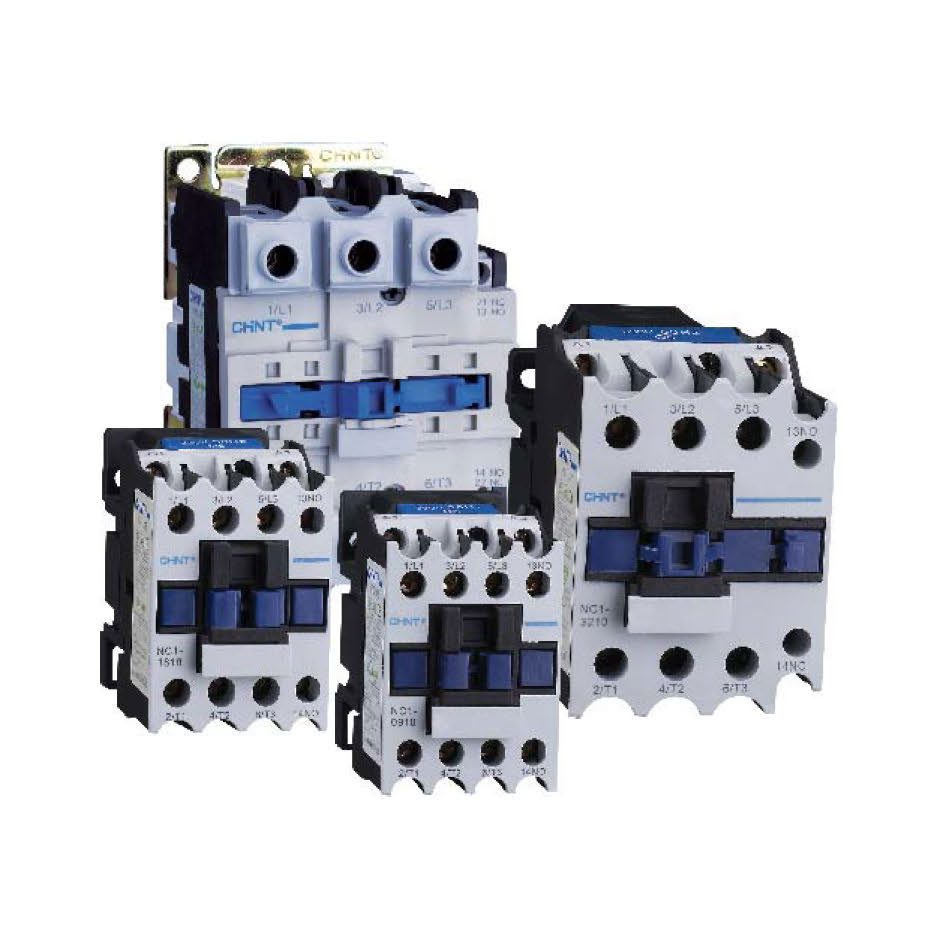
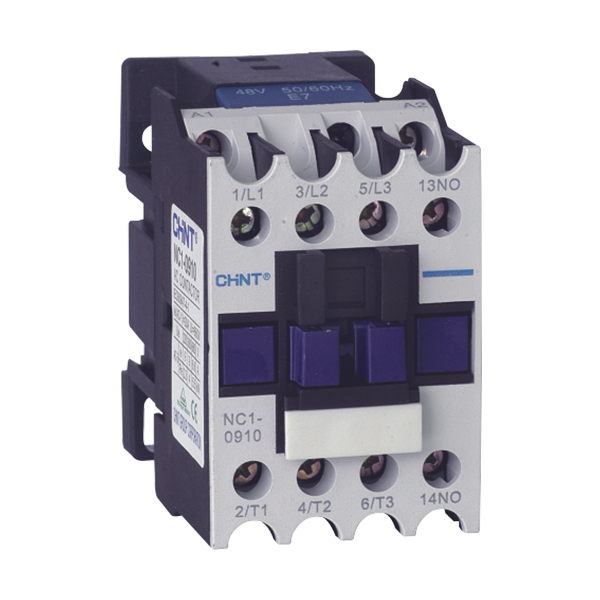
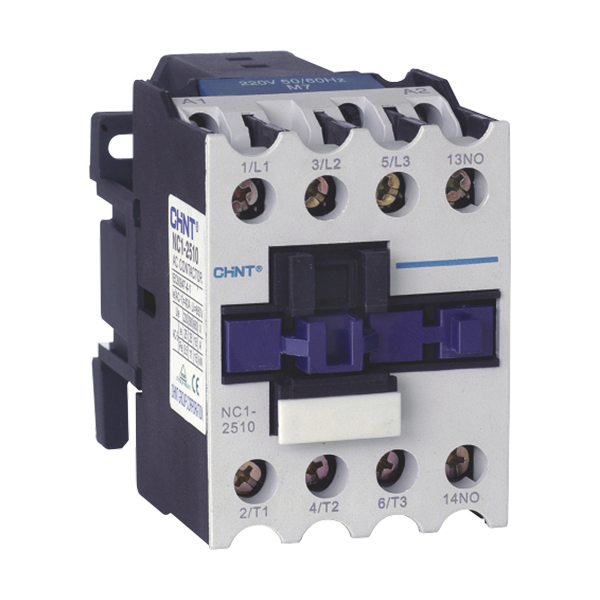
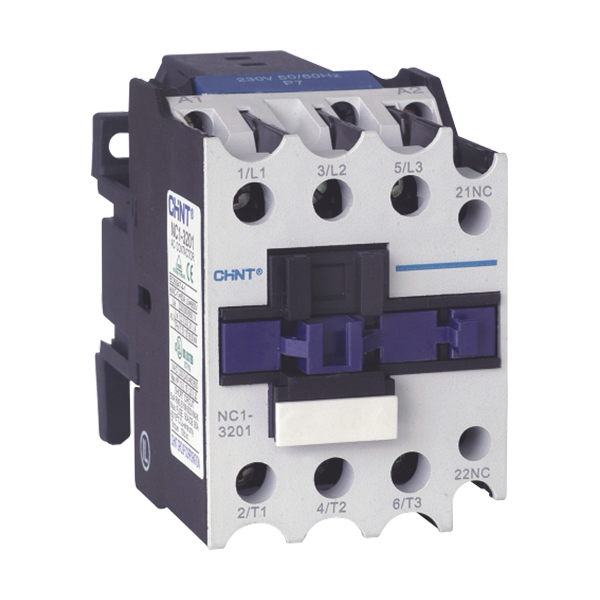
CHINT NC1 AC contactor is a practical solution for motor control, industrial control cabinets, and low-voltage panel systems. It is suitable for OEM buyers, panel builders, and distributors looking for stable performance and flexible current options.
Key Features
- Suitable for common motor control and switching applications
- Available for different current ratings and coil voltage requirements
- Easy to match with overload relays and starter solutions
- Well suited for OEM projects, distribution orders, and export supply
Typical Applications
- Motor control panels
- Industrial automation cabinets
- Machinery electrical control systems
- OEM equipment assembly projects
Selection Guide
When selecting the right NC1 contactor, buyers usually confirm the rated current, coil voltage, pole configuration, auxiliary contact requirement, and the actual motor or load condition.
Frequently Asked Questions
What is the NC1 contactor mainly used for?
NC1 is widely used in motor control, industrial panels, machinery control cabinets, and low-voltage switching applications.
How should buyers choose the right NC1 model?
Buyers usually select by rated current, coil voltage, pole configuration, and the real motor or load requirement.
Can NC1 be supplied for export and OEM projects?
Yes. It is suitable for export-oriented supply, distributor orders, and OEM panel assembly projects.
Request a Quote
Need NC1 contactor pricing, datasheets, or model selection help? Send your required current, coil voltage, quantity, and target market for a fast quotation from Shanghai Newtrend Electric.
Technical Specifications
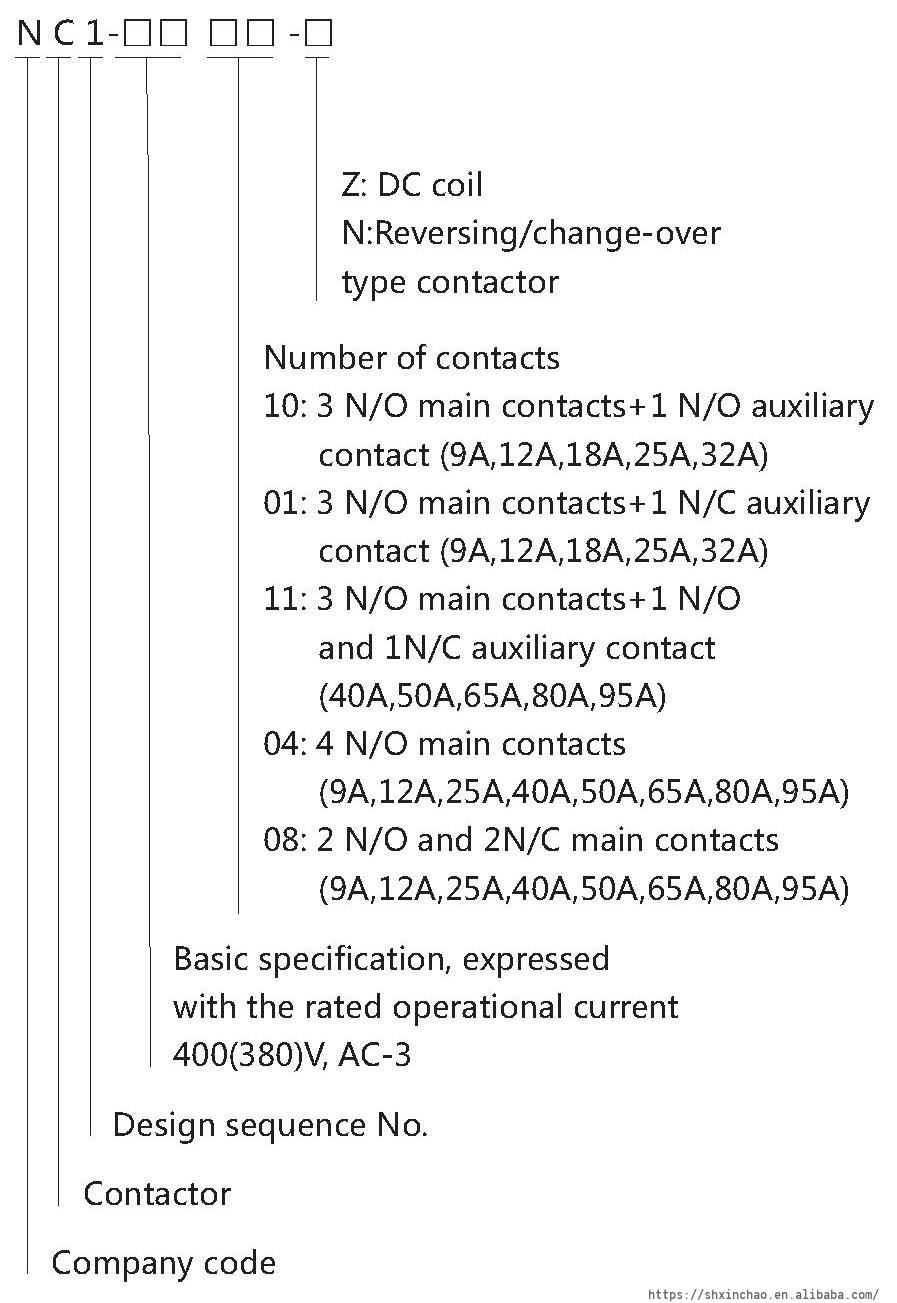
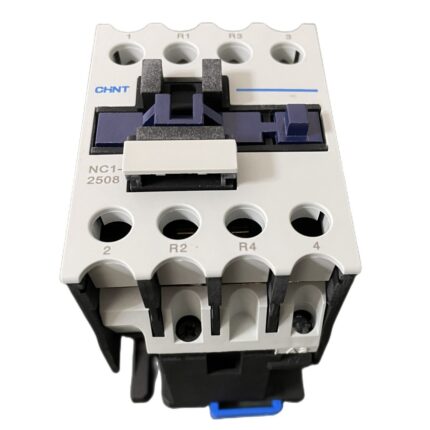
Chint NC1 NC1-0910 NC1-1210 NC1-1810 NC1-2510 NC1-2508 NC1-3210 NC1-4011 NC1-5011 NC1-6511 NC1-8011 NC1-9511 CHNT Contactor
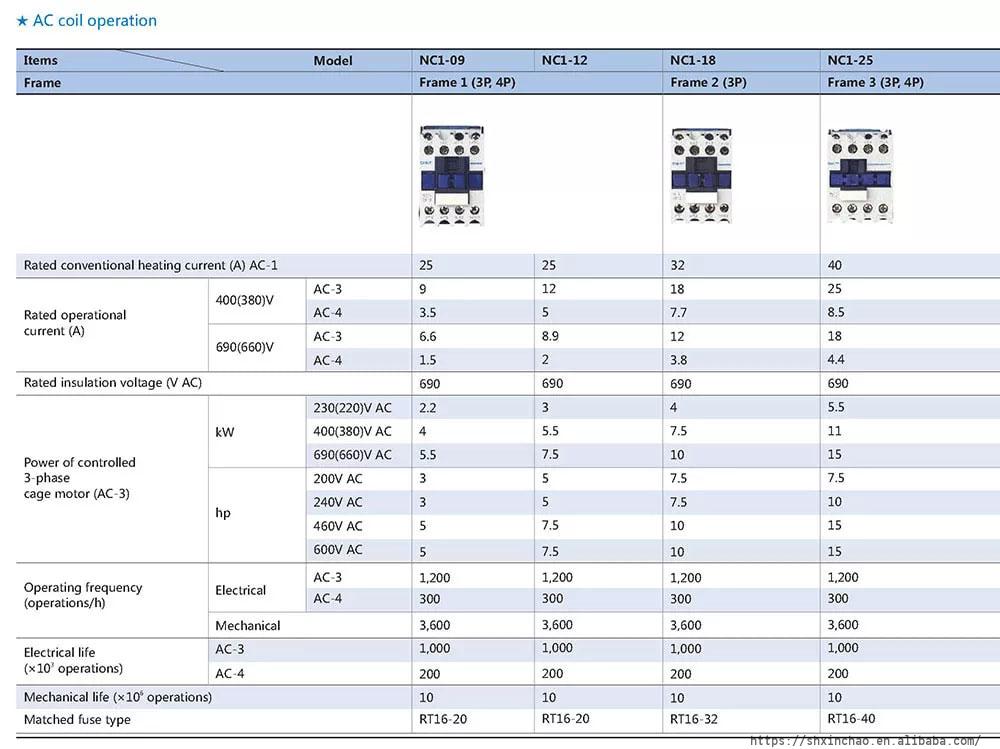
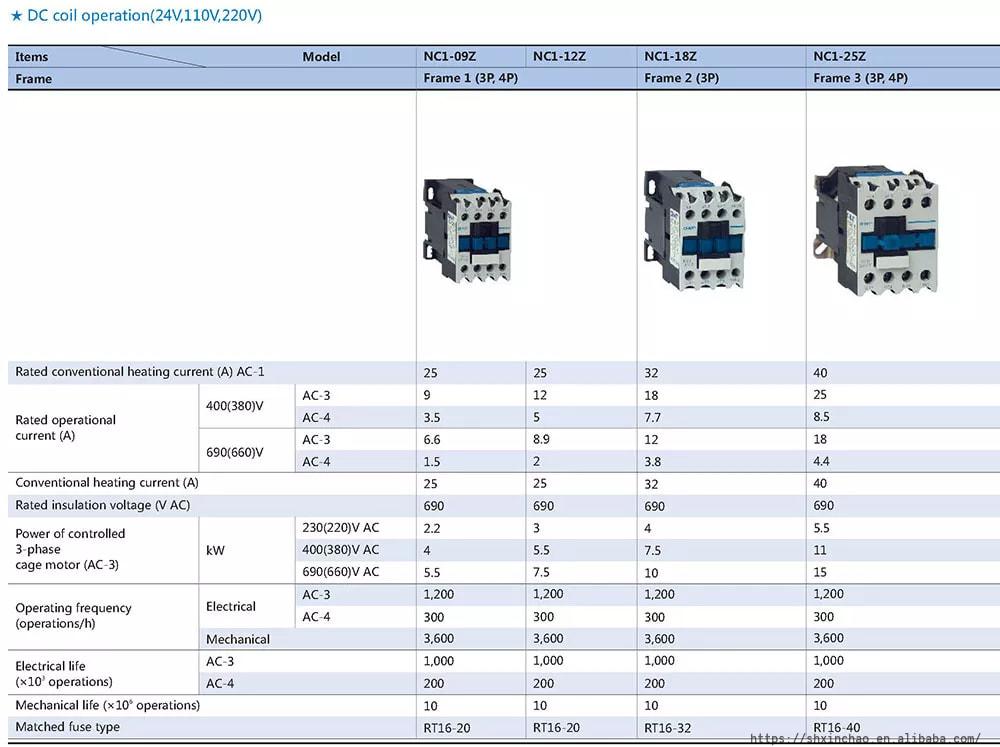
Electrical ratings: AC 50/60Hz, 690V, up to 95A
Application: frequent start-up and control of AC motors, remote making & breaking circuits, protect circuit from overload when assembling with thermal overload relay.
Utilization category: AC-3, AC-4
Altitude: ≤2000m
Ambient temperature: -5℃ ~ +40℃
Mounting category: III
Mounting conditions: inclination between the mounting plane and the vertical plane should not exeed ±5°
Standard: IEC/EN 60947-4-1