



Motor control panel content works well when it reflects how real buyers evaluate parts. They usually do not start with a broad question like “what is a contactor?” They start with a panel problem: Which contactor family should I build around? Which models are easiest to source? Which versions fit common motor control assemblies?
That is why LC1D and CJX2 remain relevant. They are not niche search terms. They are practical reference points used by panel builders, maintenance teams, OEM buyers and industrial distributors every day.
Why LC1D and CJX2 still matter
These contactor families are widely used in:
- pump and fan control
- conveyor systems
- compressor panels
- HVAC equipment
- general machinery control
- small and medium motor control cabinets
They matter because buyers already know them, technicians can identify them quickly, and multiple current ranges and coil configurations are available in the market.
Why panel-based content is more convincing
Compared with another “How to Choose” article, panel-oriented writing feels closer to real engineering work. It naturally introduces related components such as overload relays, auxiliary blocks, control voltages and panel layout concerns. That gives the article more credibility and makes the reading experience feel less synthetic.
What buyers usually compare in motor control work
| Parameter | Why it matters in panel projects |
|---|---|
| Rated current range | Must match motor load and control panel design |
| Pole configuration | Important for standard and special control arrangements |
| Coil voltage options | Must align with panel control circuit voltage |
| Auxiliary contact compatibility | Useful for interlocking, feedback and control logic |
| Overload relay matching | Important for complete motor starter assemblies |
| Replacement convenience | Reduces downtime in maintenance and retrofit work |
Recommended product links from our site
To make this topic commercially useful, the article should lead directly to real product pages rather than stopping at broad discussion.
| Product | Main use | Key parameters | Link |
|---|---|---|---|
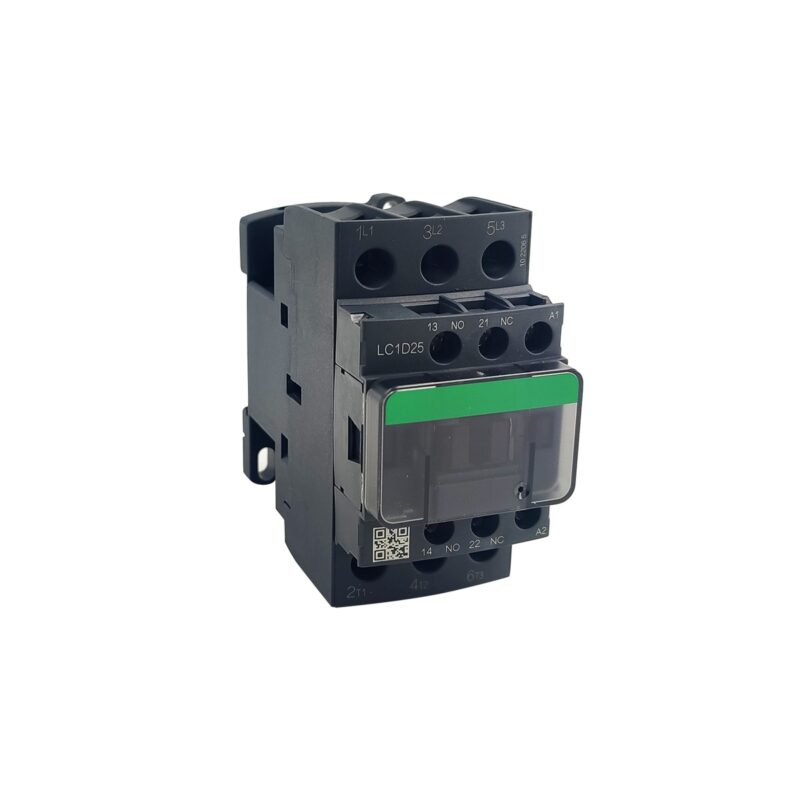
| LC1D TeSys 3-Pole AC Contactor 220V LC1D09 to LC1D95 | Standard motor control and industrial switching | Model family: LC1D; Poles: 3P; Current range: 9A–95A; Rated voltage: up to 660V AC 50/60Hz | View product |
| LC1D09 3P 9A AC Contactor 24VDC/220V/230V/240V | Entry motor control panels and common control circuits | Model: LC1D09; Poles: 3P; Current: 9A; Coil options: 24VDC/220V/230V/240V | View product |
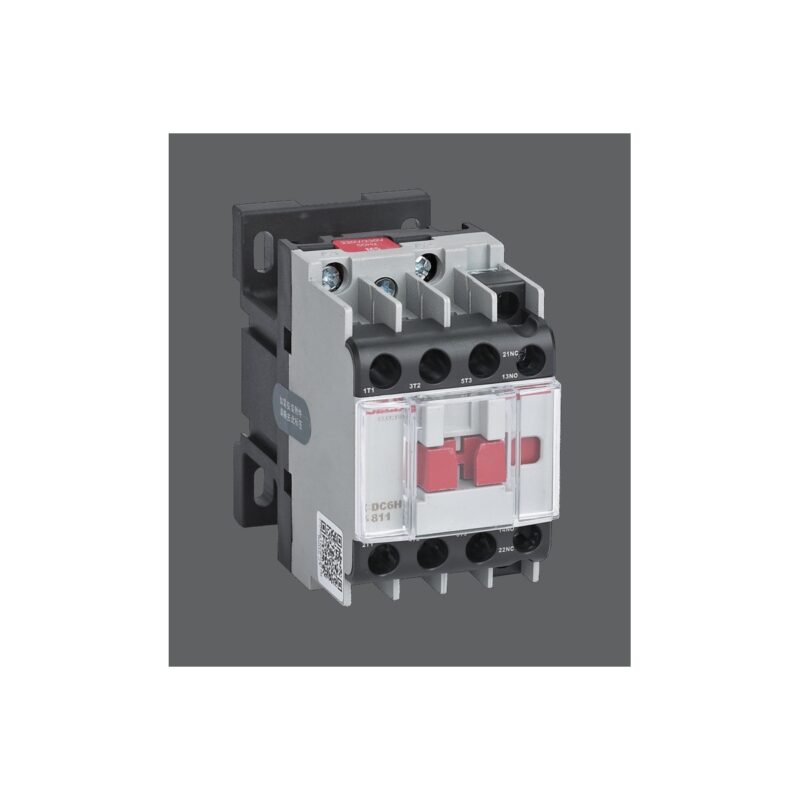
| CJX2 4P 2NO+2NC AC Magnetic Contactor 9A-95A LC1-D | Alternative contactor sourcing for panel building | Series: CJX2; Poles: 4P; Contact form: 2NO+2NC; Current range: 9A–95A | View product |
Related supporting product worth adding
For motor control panels, the contactor discussion is stronger when combined with a supporting protection product. A relevant matching product already on our site is:
| Supporting product | Use case | Link |
|---|---|---|
| CHINT NR8 Series Thermal Overload Relay | Motor overload protection in starter and panel assemblies | View product |
Why this article feels more useful to buyers
Industrial buyers usually trust content that feels grounded in actual system use. When an article connects contactors to motor control panels, overload protection and replacement logic, it feels closer to a conversation with a sales engineer or panel supplier rather than a generic AI draft.
That is exactly the direction we should keep: less template writing, more real-use industrial context.
Final takeaway
LC1D and CJX2 contactors still matter because motor control panels still rely on proven, flexible and widely recognized switching components. For buyers, that means easier evaluation and easier sourcing. For our blog strategy, this kind of panel-based article is much more commercially useful than another formulaic selection guide.