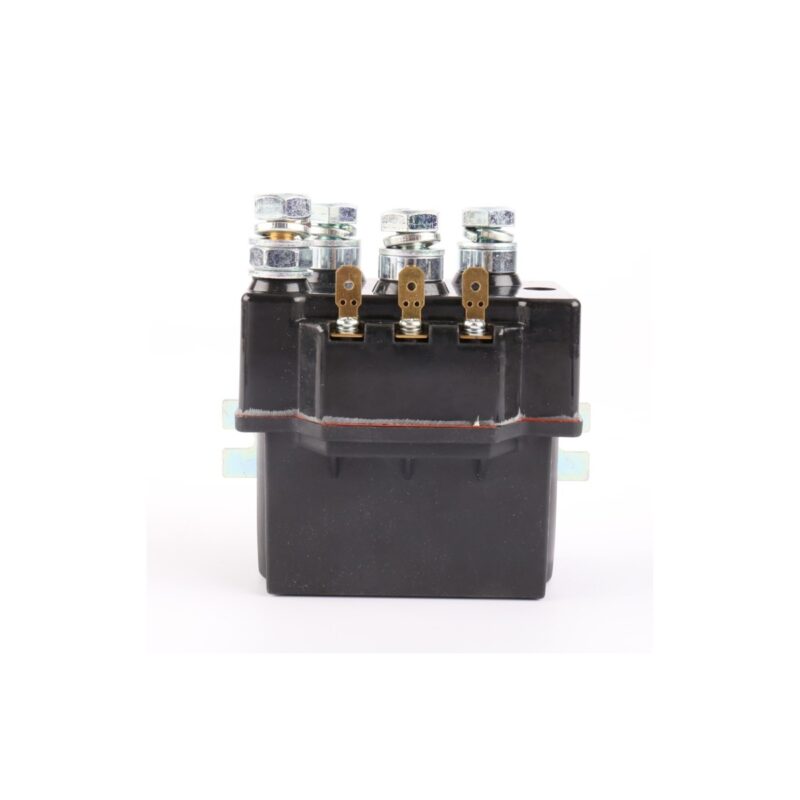



When buyers ask about DC88P contactors, the first real question is usually not what is the model number, but where can it actually be used and which version fits the job. In day-to-day sourcing, DC88P is typically discussed in relation to battery switching, motor reversing, winch systems, EV auxiliary circuits and other heavy-duty DC control tasks. That makes it a much stronger blog topic than another generic buying guide.
What matters here is application context. A DC contactor that works in a battery isolator circuit may also be suitable for marine battery banks, electric utility vehicles or off-grid DC switching cabinets, but only if the current demand, coil voltage and switching pattern match the system design. That is exactly why DC88P remains commercially relevant.
Where DC88P is commonly used
In practical projects, DC88P-type contactors are most often seen in the following applications:
- EV auxiliary power systems where battery connection and disconnection must be controlled safely
- Marine battery systems where high-current DC switching is required for onboard equipment
- Winch systems that need motor reversing and stable heavy-load switching
- Forklifts and utility vehicles where DC motor control circuits run under repeated switching conditions
- Battery storage systems where DC contactors are used for controlled isolation and load switching
In other words, this is not just a “winch part.” It is a practical DC switching product family that fits several industrial and mobile power scenarios.
Why DC88P is still a useful product line
One reason buyers keep asking for DC88P is that it solves a familiar problem: switching DC loads reliably when current is high and operation is repetitive. Compared with AC systems, DC switching is always less forgiving, so buyers usually pay close attention to contact rating, coil voltage and duty cycle.
For distributors and OEM buyers, that also means model coverage matters. It is often better to source from a supplier that can provide multiple DC88P-related options rather than just one isolated configuration.
Key parameters buyers usually compare
| Item | Why it matters |
|---|---|
| Contact arrangement | Important for motor reversing and battery switching logic |
| Continuous current | Determines suitability for sustained DC load operation |
| Intermittent current | Useful where short-duration peak switching is involved |
| Coil voltage | Must match the vehicle or system control circuit |
| Mounting style | Affects panel layout, service access and equipment integration |
| Application type | Winch, battery bank, EV auxiliary circuit, marine system and so on |
Recommended Newtrend products for this topic
If a buyer lands on this article, the most useful next step is not a vague CTA. It is a clear path to the relevant product pages. These are the most suitable matching products already on our site:
| Product | Main use | Key parameters | Link |
|---|---|---|---|
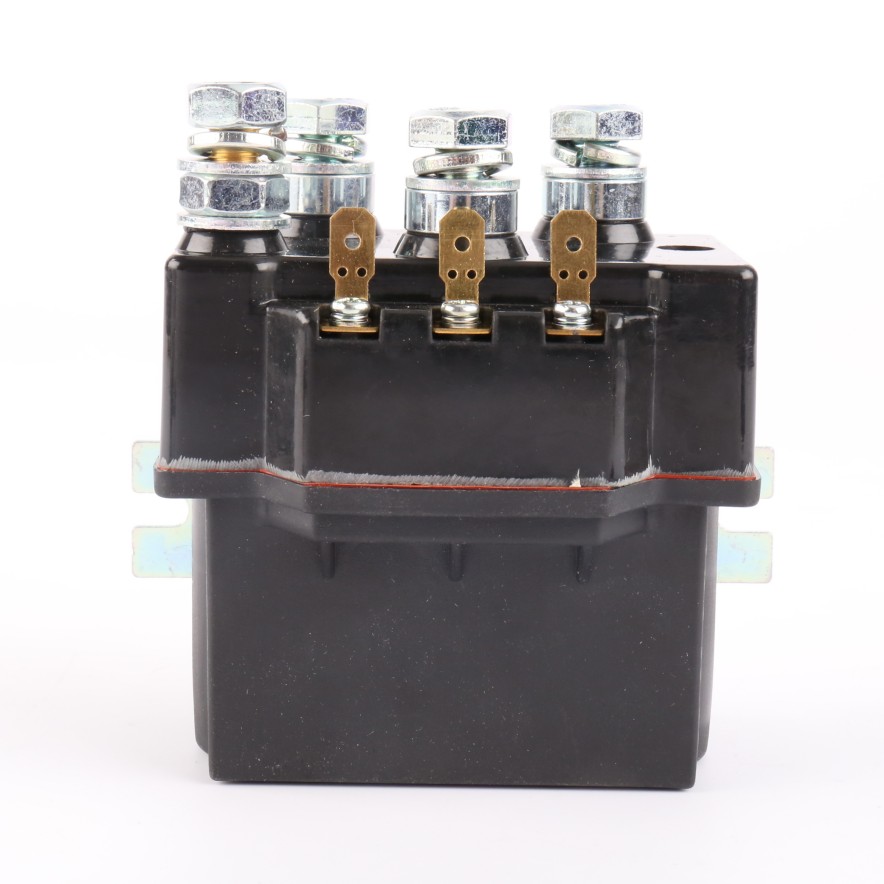
| DC88P 500A Motor Reversing Winch Solenoid | Winch systems, motor reversing, heavy-duty DC switching | Model: DC88P (W100-T-P-DE); Current: Continuous 100A / Intermittent 500A; Type: DC; Mounting: Free standing | View product |
| DC88P 100A/500A 12V/24V SPDT DC Contactor for Motor Reversing | Battery switching, motor reversing, utility vehicle systems | Model: DC88P; Coil voltage: 12V/24V; Current: Continuous 100A / Intermittent 500A; Type: SPDT DC contactor | View product |
| Albright DC88P Warn Badlands Replacement DC Reversing Contactor | Replacement market, winch upgrading, aftermarket sourcing | Model family: DC66P / DC88P; Voltage: 12V / 24V; Typical application: winch replacement and reversing control | View product |
What makes this topic commercially stronger
A buyer reading this article is usually already somewhere in the sourcing funnel. They are not casually browsing definitions. They are trying to confirm fit: Can this contactor work in my EV auxiliary circuit? Is this suitable for marine battery switching? Do you have an equivalent for winch reversing?
That is why application-driven writing performs better than a flat AI-style overview. It reflects how industrial buyers actually think—starting from the job to be done, then narrowing down to the right model.
Final takeaway
DC88P is worth presenting through real-world use cases: EV systems, marine battery setups, heavy-duty winch control and battery switching projects. For industrial buyers, that is much more useful than another formulaic selection article. For us, it also creates a direct bridge from content to product pages that can actually convert.